The Beginning
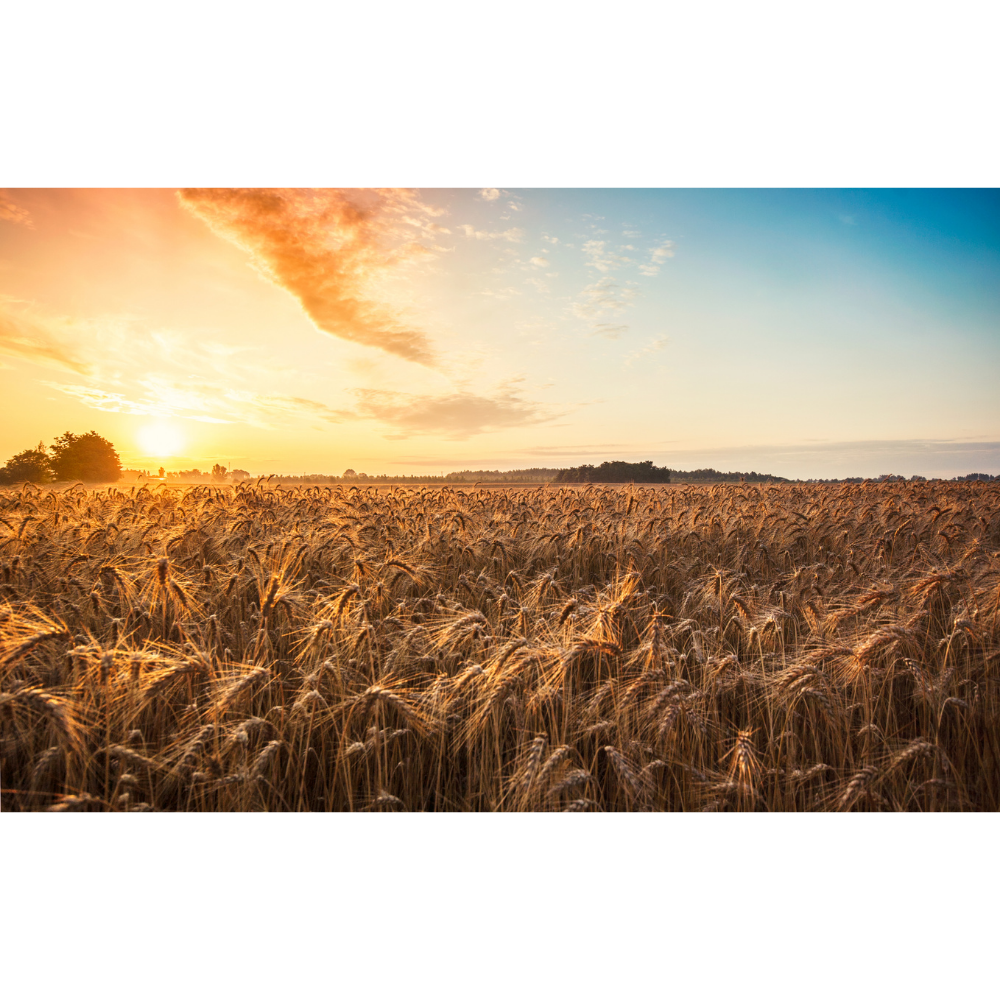
late 2016 was when It began with a simple question: what if we went back to the way food was meant to be grown?
What started as curiosity soon turned into hands-on experimentation with organic practices.
At a time when conventional methods dominated, choosing a different path meant stepping into the unknown. There were no clear roadmaps, only a willingness to learn and start from scratch.
This was the foundation of everything that followed.
Learning the Land
Transitioning to organic farming wasn’t just a decision, it was a process of unlearning. Years of conventional practices had to be questioned, and every step forward came with uncertainty.
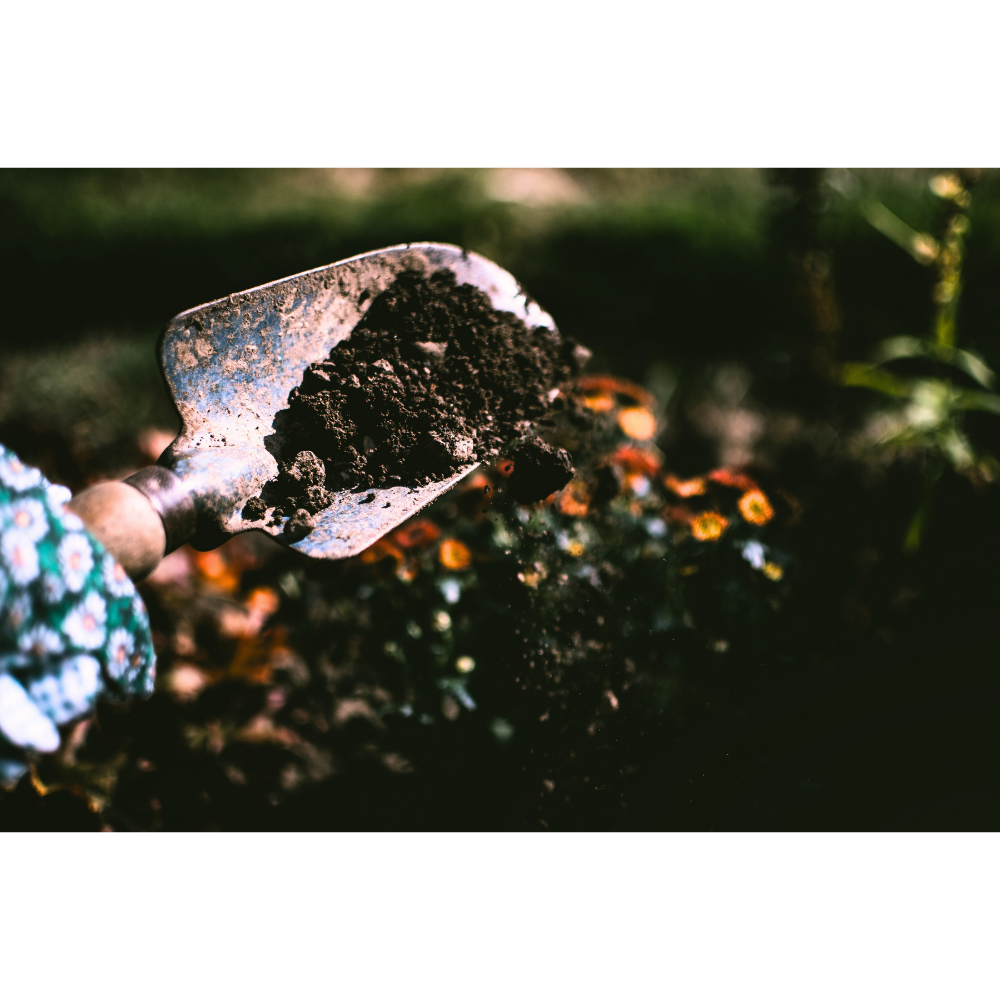
We spent next 3 years deeply understanding the soil; how it responds, how it heals, and how long it truly takes to restore balance. There were experiments that worked, and many that didn’t. Yields were unpredictable, and methods had to constantly evolve.
We explored natural inputs, composting techniques, and crop cycles. Learning not from theory, but from the land itself.
Over time, what began as trial and error slowly became a system we could trust.
A Turning Point
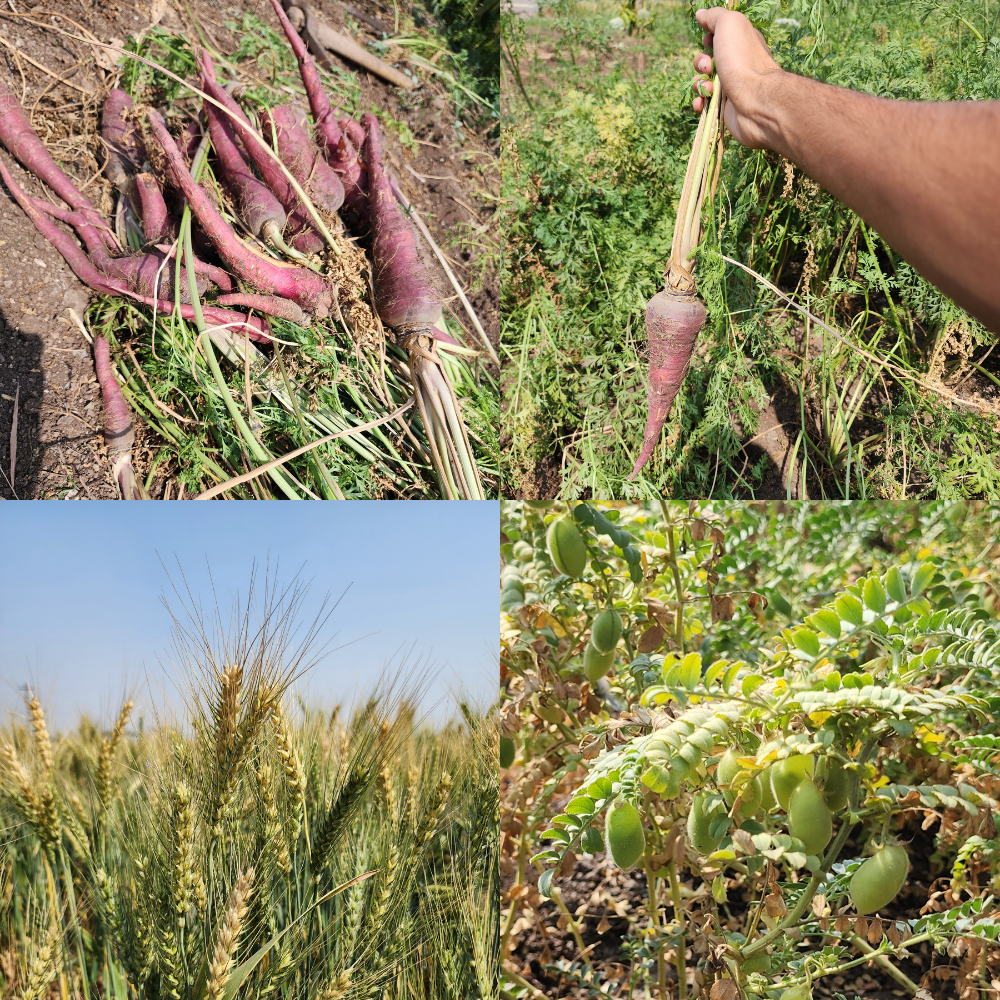
By 2019, our land had fully transitioned to organic farming, marking a shift from experimentation to commitment.
The results weren’t just visible in the crops, but in the soil itself; healthier, more balanced, and capable of sustaining long-term growth.
This milestone gave us the confidence that organic farming, when done right, is not just sustainable, but scalable.
Sharing the Knowledge
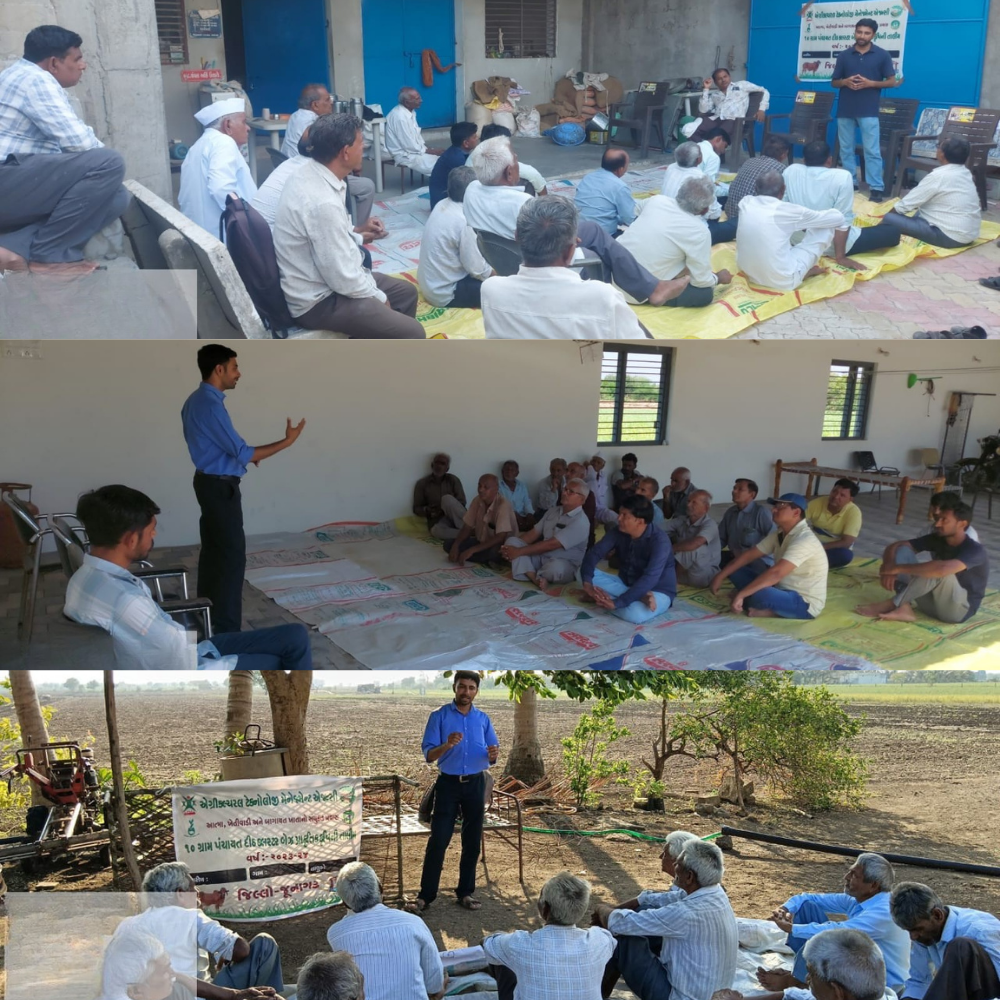
As our confidence grew, so did our responsibility. We began reaching out to nearby farming communities, sharing what we had learned through experience.
Through village visits and direct engagement, we encouraged farmers to start small, to experiment with organic practices on a portion of their land and see the difference for themselves.
We also became part of government-led initiatives such as Farmer Master Trainer, travelling across villages to guide farmers through the practical aspects of organic farming.
These interactions reinforced a simple belief; change begins with awareness but grows through support.

Expanding Horizons
In early 2020, our journey took a new direction. One of us moved to Australia, stepping into the global FMCG industry.
This phase provided a completely different lens, offering insight into how food is processed, packaged, and distributed across international markets.
It highlighted the gap between how food is grown and how it is ultimately consumed.
Understanding the System
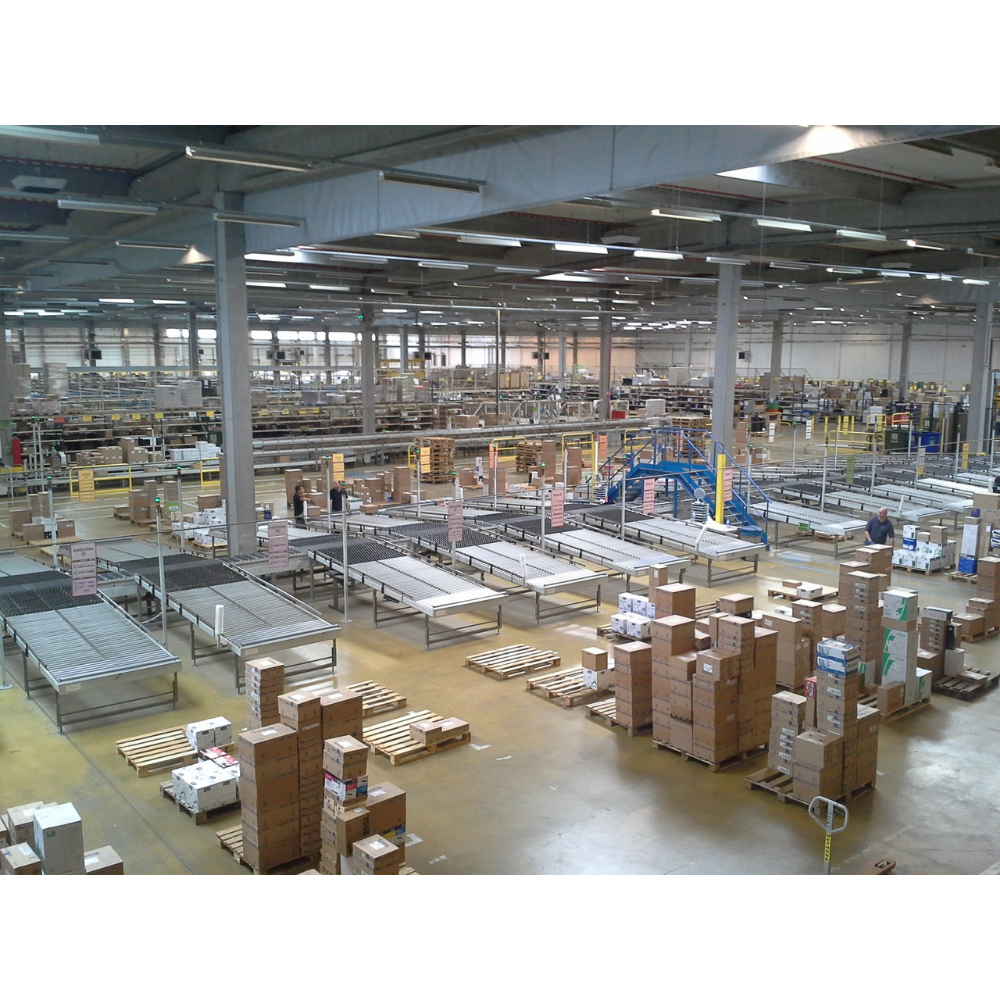
Over the next five years, we gained hands-on experience in global supply chains, understanding quality standards, consumer expectations, and the dynamics of large-scale food distribution.
We saw how demand for organic products was steadily increasing, but also how authenticity often became diluted along the way.
This exposure helped us understand not just how to grow food, but how to bring it to consumers without losing its integrity.
The Beginning of Zentree Organic
As awareness around organic food continued to grow, everything began to align.
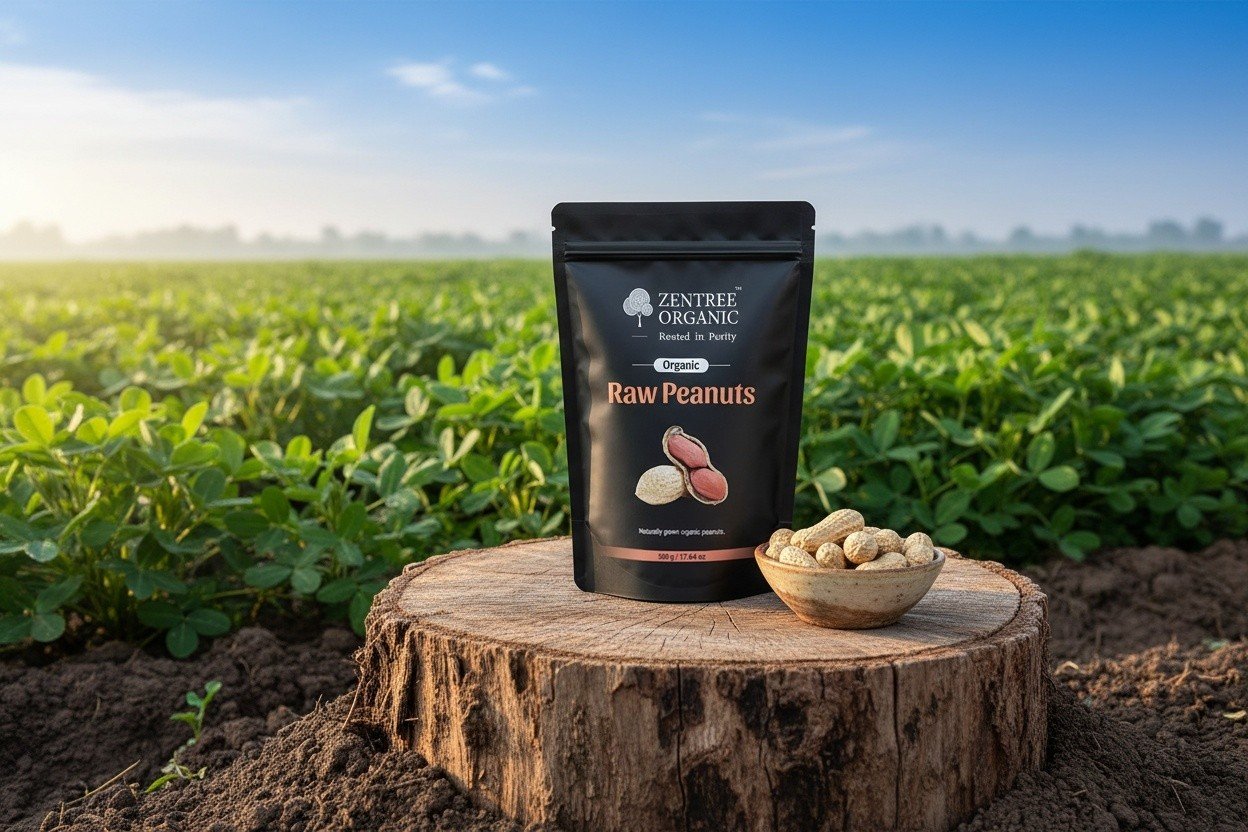
The on-ground farming experience, the work with farming communities, and the global understanding of food systems came together to form Zentree Organic.
It was built with a clear intention: to create a brand that stays true to its source while meeting the expectations of modern consumers.
Not just organic in label, but honest in every step.
The Journey Continues...
Zentree Organic is not the start of something new: it is the continuation of a journey that began years ago.
A journey shaped by the land, guided by learning, and strengthened by experience.
Because when food stays true to its roots, everything else falls into place.